Types of Folding Chairs
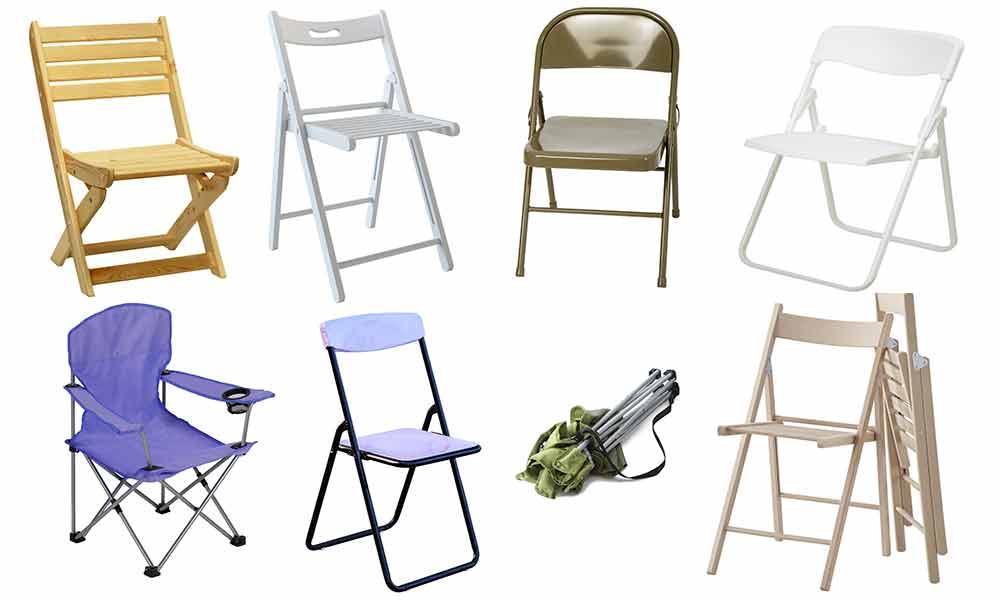
Folding chairs come in eight main types: plastic, metal, wood, resin, mesh, padded, camping, and saucer. Each is built for a different job. Pick by where the chair will be used, how long people will sit in it, and whether it needs to handle weather.
This guide covers every type, with honest trade-offs for each.
A folding chair is bought for a job, and the right chair depends on the job, not the price.
Plastic
Plastic is the most common folding chair you will see at events, and for good reason.
The seat and back are molded polypropylene. The frame is tubular steel. Both handle rain, spills, and years of stacking without complaint.
They fold flat, which means 20 chairs take up very little space in a garage or closet.
The trade-offs are real but small. Plastic can crack in hard cold, and it is not the best looking option on its own. It is also the cheapest type, which is why event rental companies buy them by the hundred. If you are seating a crowd, how many folding chairs fit in a room matters as much as the chair you pick.
For outdoor events, budget seating, and anywhere spills happen, plastic is the right call.
When a leg cap or glide splits, plastic chairs are straightforward to maintain with common replacement parts like leg caps and ganging clips.
Metal
Metal folding chairs are stronger than plastic and built for permanent use in venues.
Steel frames are common. They are heavy, strong, and inexpensive. The downside is rust: a steel chair stored on a damp floor will show it.
Aluminum is lighter and rustproof, which makes it the default for chairs that travel or live outdoors. It costs more.
Both share one weakness: a bare metal seat is hard and cold. That is why most metal folding chairs sold for venues come with padded seats or cushion options.
Choose steel for maximum strength on a budget, aluminum when the chair will be carried or left outside.
If you are comparing metal to plastic, metal folding chairs generally support more weight and hold up better under daily use in meeting halls and churches.
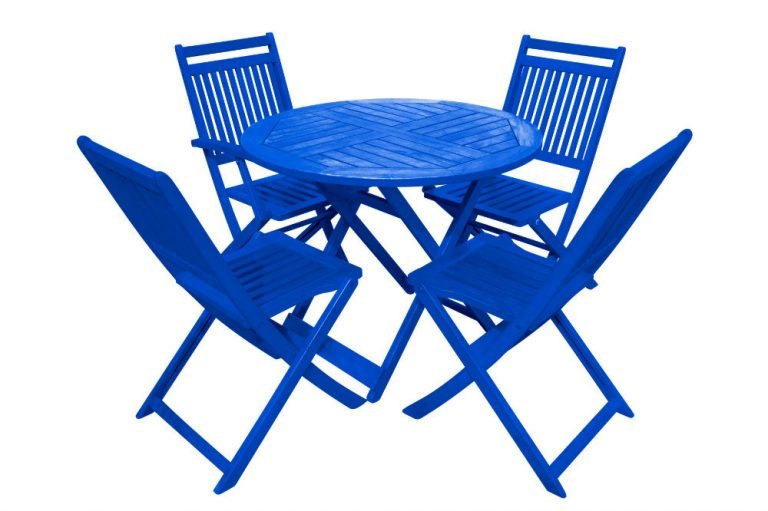
Wood
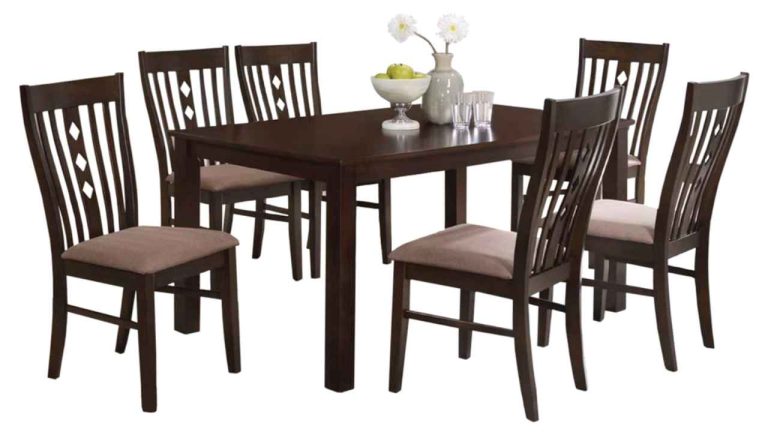
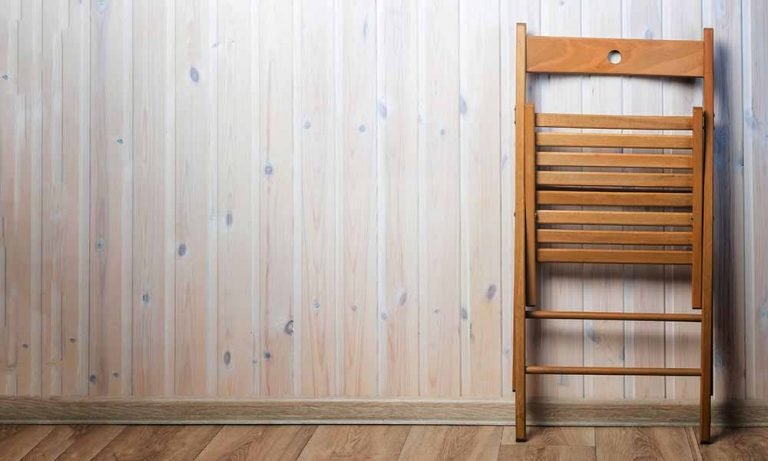
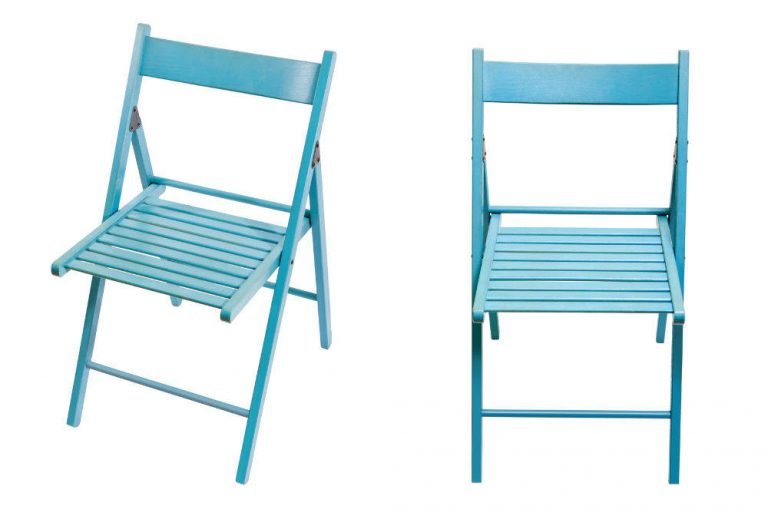
Wood is the best-looking folding chair material, and it fits anywhere the chair is part of the decor.
Birch, oak, and beech are the common choices. A well-made wooden folding chair blends with dining furniture and works well for weddings and formal events.
The cost is weight and weather. Wood is heavier than metal or plastic, so it is not what you haul to a picnic. Left outside without cover, it warps and grays.
Flat wood gets uncomfortable for long sits, so a seat pad helps. Wooden chairs also do not stack as cleanly as plastic, which matters if you need to store a lot of them.
Wood is the pick for indoor dining, weddings, and covered settings where the chair is part of the look.
Resin
Resin chairs look like higher-end plastic but behave differently outdoors.
The color goes all the way through the material, so scratches blend into the surface rather than showing white. Cleaning is simple: a damp rag handles most of it, and a power washer handles the rest.
Resin is heavier and costs more than standard plastic. Stacking can be awkward because the profiles do not nest as cleanly. But for event organizers who want a durable chair that looks better than basic plastic, resin is a practical step up.
Resin is the outdoor chair for people who want something that holds up and looks decent doing it.
Understanding the materials used in making folding chairs in more depth helps when you are choosing between resin and plastic for a specific setting.
Mesh
Mesh chairs have a breathable fabric stretched over a metal frame, and the airflow is the whole point.
On a hot day at a sporting event or outdoor gathering, mesh keeps the sitter noticeably cooler than a solid seat. The metal frame keeps it sturdy. Cleaning is straightforward: a wipe or rinse handles most spills.
The catch is price. Mesh chairs cost more than plastic or basic metal.
For hot weather seating where comfort matters more than budget, mesh is worth the extra cost.
Padded
A padded folding chair is a metal or resin frame with an upholstered seat, usually foam under vinyl or fabric.
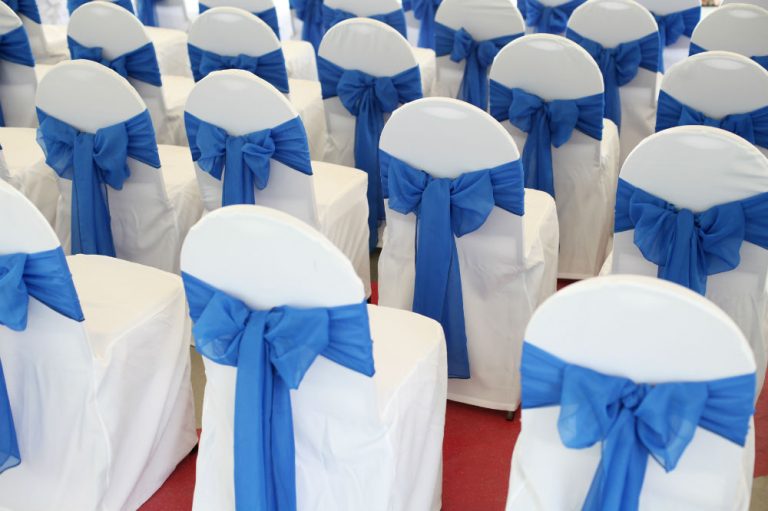
These are the most comfortable folding chairs for long events. Dinners, ceremonies, and any gathering where guests sit for two or more hours are where padded chairs earn their keep. They come in colors and fabrics that match a theme, which is why they appear at weddings and corporate events.
You pay in two ways: they cost more than plain chairs, and fabric needs protecting from weather. A soaked cushion is slow to dry and harder to clean.
Reach for padded chairs when people will sit for hours and comfort is the priority.
Camping and portable chairs
Camping folding chairs are a different category entirely.
The frame collapses into a compact bundle and comes with a carry bag. The seat is polyester or nylon mesh stretched across the frame. Most camping chairs weigh between 2 and 6 pounds, which is why they work for hiking, tailgating, and sporting events.
The suspension versions, where fabric hangs from a frame by bungee cords, add comfort by letting the seat conform to the body.
Cup holders, phone pockets, and headrests are common. Durability is the trade-off: the lightweight frames and fabrics are not built for the daily load a venue chair takes.
For portability first, a camping chair is the obvious pick. For extended event use, it is not.
Saucer chairs
A saucer chair has a wide, round seat that tips the user into a reclined, curled-up position.
They are soft, cozy, and designed for relaxing rather than working. Kids and teenagers reach for them most. Adults can use them too, and oversized versions are available if a standard saucer chair is too small.
Fabric saucer chairs are for indoors only. Camping-specific saucer chair versions exist for outdoor use with more weather-resistant materials.
Saucer chairs are extra seating for living rooms and dens, not event or dining chairs.
Which type should you pick?
Match the type to the job.
- Outdoor events and tight budgets → plastic
- Strength and daily venue use → metal (steel frame, padded seat)
- Indoor dining and weddings → wood or padded resin
- Outdoor weather resistance with a cleaner look → resin
- Hot weather comfort → mesh
- Long sits at formal events → padded
- Hiking, tailgating, portability → camping chair
- Relaxing at home → saucer
The types overlap more than the marketing suggests. A padded metal chair works for both venue use and everyday dining. A resin chair handles both events and a backyard patio.
Seat height runs about 17 inches on a standard folding chair, which is why most fit at a regular dining table. For taller or wider sitters, checking the seat height and width specs before buying matters more than the type label.
When you are ready to compare specific chairs, the folding chair buyer’s hub covers the top picks across all the main types.
These types all trace back to one ancient shape, which the history of the folding chair follows from the pharaohs onward.