How Wide Is a Folding Chair?
A standard folding chair seat is about 15.5 to 18 inches wide. The full frame, including the legs, adds an inch or two on each side, so the overall width usually lands around 17 to 19 inches.
Oversized and wide-body models run 20 to 24 inches across the seat.
Those numbers matter most for larger sitters and for row or table planning.
Seat width vs. overall width
The seat width is the number that matters for comfort. It is the usable surface you actually sit on.
The overall (frame) width is the number that matters for spacing. It sets how much room the chair takes up in a row or under a table.
On most resin or metal chairs, the overall width runs 1 to 2 inches wider than the seat on each side.
A 16-inch seat might sit in a frame that is 18 to 19 inches wide.
When a spec lists only one width without saying which, check the product page. Some makers list seat width, others list the full frame.
For row planning, always use the frame width.
Standard vs. wide vs. commercial
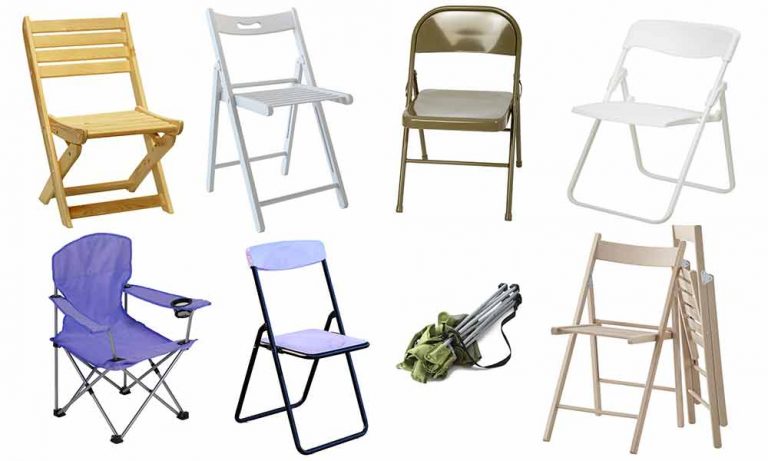
Not all folding chairs are built to the same width. Here is how the common categories stack up.
Standard folding chairs have seats in the 15.5 to 17.5 inch range. This is the bulk of plastic and metal chairs used at events, schools, and churches.
Flash Furniture’s HERCULES metal chair, for example, lists a seat width near 17 inches and an overall width around 18.5 inches.
Wide and oversized models step up to 20 to 24 inches of seat width. They are built for larger sitters and usually carry higher weight ratings to match.
The MityLite Flex One mesh chair runs about 20 inches overall, with a seat roughly 1.5 inches wider than the standard versions it replaces.
Commercial and banquet chairs vary. Many padded banquet chairs have seats in the 18 to 19 inch range.
The padding and slight contouring can feel more generous than the raw number suggests. Check the spec sheet before ordering in bulk.
For the full picture of a chair’s dimensions, how tall is a folding chair covers seat height and overall height with the same detail.
Why width matters for larger or taller sitters
Width is the spec most likely to cause a bad fit for a bigger person.
A person with a waist of 40 inches or more will feel pinched in a standard 15.5 or 16 inch seat.
The chair holds the same weight either way. But the narrower seat forces the hips inward, and that gets uncomfortable fast.
For larger sitters, seat width is the first spec to check, not weight capacity.
Weight capacity matters too. Most standard chairs are rated for 250 to 300 pounds, and heavy-duty models go much higher.
But a chair that holds you does not necessarily fit you.
The target is a seat that is roughly hip-width or a little more. For most adults, that means at least 17 to 18 inches.
For bigger sitters, look for chairs listed as “wide” or “oversized.” That usually means a seat of 20 inches or above.
How to measure a folding chair
Two measurements are worth taking before you commit.
Seat width: Measure across the seat at the widest point, from inner edge to inner edge. This is the usable sitting surface.
Overall width: Measure across the outside of the frame at its widest point, usually at seat level or just below. This is the floor and table space the chair actually occupies.
Measuring for a table? Also check that the seat clears the table apron, the rail under the tabletop.
That clearance is a seat-height question, covered separately in how tall is a folding chair.
How width affects row planning
This is where overall width matters most.
In a theater or event row with no table, chairs sit side by side. Each chair needs its full frame width, plus a small gap of about an inch.
That gap keeps the chairs from locking together when folded.
A row of 10 chairs at 19 inches each needs about 160 to 165 inches. That is just under 14 feet. Width is only half of how many folding chairs fit in a room; the fire code sets the rest.
At a banquet table, the chair needs to slide in and out comfortably. Wider chairs can scrape table legs or neighbors on a tight layout.
On a standard 8-foot (96 inch) table with 3 chairs per side, chairs under 18 inches overall leave comfortable clearance.
Three chairs at 20 inches is 60 inches on that 96-inch table. It works, but it leaves less room for elbows.
Width also affects storage. Most wall-mount racks and rolling carts are built around chairs up to about 20 inches wide.
Wide-body chairs may need a different storage solution.
Choosing the right width
The frame material plays a role in how wide a chair ends up, as the materials used in making folding chairs covers in more detail.
The short version: resin (heavy plastic) chairs tend to be among the widest standard chairs, because the molded seat can be shaped to fill the frame.
Steel and aluminum chairs are often narrower. The tube frame limits how far the seat can extend.
For most adults at a standard event or family gathering, a seat of 16 to 17.5 inches is fine.
Buying for a mixed group where some guests are larger? Step up to chairs in the 18 to 20 inch range.
That seat is roomier for bigger sitters and barely noticeable for smaller ones.
For a single chair where comfort is the goal, look for a wide-body model with a 20-inch-plus seat and a matching weight rating.
For a broader look at which chairs earn their price, best folding chairs covers the options across size categories, materials, and use cases.