How Many Folding Chairs Fit in a Room? The Space and Safety Math
The honest answer is not a single number. It is two: how much floor space each person needs, and what the fire code allows for rows and aisles.
Layout decides the first number. Bare rows of chairs need only 6 to 8 square feet per person, but add tables and banquet rounds jump to 10 to 12, nearly double.
The code decides the second. It caps how many chairs go in a row before an aisle is required, and how wide that aisle has to be.
Capacity is a layout question first, and a counting question second.
Match the chair to the job, and the layout to the room, before you count seats.
The two layouts and their space cost
Most folding chair setups are one of two shapes, and the difference in footprint is large.
- Theater style, rows of chairs with no tables: 6 to 8 square feet per person.
- Banquet rounds, tables with chairs around them: 10 to 12 square feet per person.
The table is the space hog. Event-planning guides put banquet rounds at nearly double the footprint of bare rows.
Decide the layout first, because it sets your capacity before you place a single chair.
The quick capacity formula
You can estimate a room in three steps.
- Measure the usable floor area, not the whole room. Subtract the stage, the bar, doorways, and walkways.
- Divide that area by the square feet per person for your layout.
- Subtract 20 to 30 percent for circulation and service.
Here is a worked example. A 1,000 square foot usable room, theater style at 8 square feet per person, is 125 seats on paper. Cut 25 percent for aisles and movement, and the real number is about 94 chairs.
Always trim 20 to 30 percent off the raw count so people can actually move.
The limits the fire code sets
This is the part most hosts miss. Public seating follows NFPA 101, the life-safety code, and it governs both rows and aisles.
- The minimum clear space between rows starts at 12 inches and grows with longer rows, up to 22 inches.
- Aisle width is not optional. The code sets 36 inches where an aisle serves up to 50 seats, and 42 to 48 inches for larger sections.
- A longer row needs wider spacing behind it, so people can pass to reach an aisle.
These rules exist for one reason: getting a full room out quickly in an emergency.
The code is about exits, so it caps row length and sets aisle widths you cannot skip.
Setting rows so people can actually get out
A standard folding chair is about 18 to 19 inches wide. Plan rows on that width, plus real walkways.
- Keep rows short enough that no seat is a long shuffle from an aisle.
- Leave a clear cross-aisle for a large block of seating, not just side aisles.
- Do not fill the calculated maximum. The comfortable number sits below it.
A room packed to its paper limit feels worse and empties slower.
Comfortable capacity sits below the code maximum, and the code maximum sits below the raw square-foot count.
The bottom line
Start with the layout, because tables nearly double the space each guest needs.
Run the square-foot math, trim a quarter for circulation, then check your rows and aisles against the code before you commit to a number.
Once you know the count, the next call is whether to rent or buy the chairs.
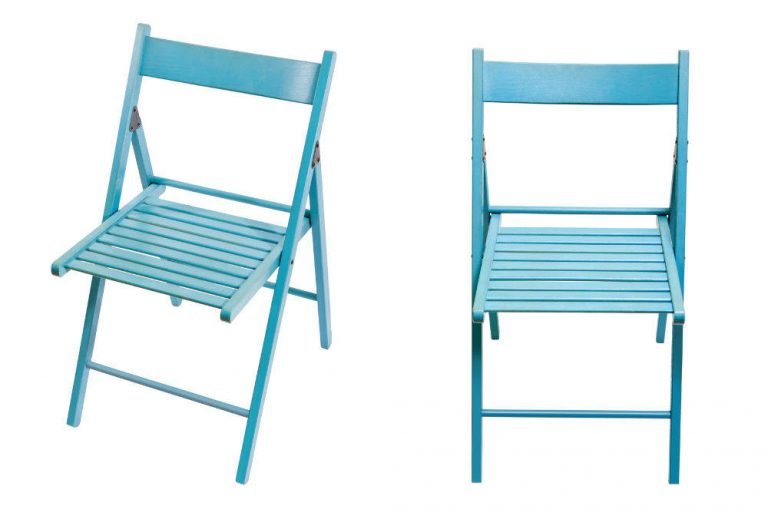
For the chairs themselves, the types of folding chair guide covers event seating, and the buyer’s hub compares specific models.