What Makes a Folding Chair Comfortable?
Folding chair comfort comes down to four things: seat padding, seat shape and width, back angle, and how long you plan to sit. Get those four right and almost any chair type can be comfortable.
Reader-supported: if you buy through links on this page we may earn a small commission, at no extra cost to you.
Get them wrong and even an expensive mesh chair will leave you shifting every ten minutes.
This guide covers the specs that actually matter. The point is to let you judge any chair before you buy it.
For specific product picks, the guide to the best folding chairs covers the roundups.
Padded vs hard seats
The single biggest comfort factor is whether the seat has padding under it.
A padded folding chair has foam under vinyl or fabric. That foam absorbs pressure from your sit bones so you are not resting on bare plastic or metal.
For an event that runs two or three hours, the difference is significant.
Hard plastic and bare metal seats are fine for short sits. A 20-minute meal, a quick meeting, a kid’s recital with an intermission, those are all tolerable.
Padding matters most when the sit is over an hour.
Wood sits somewhere in between. Flat wood is harder than padded fabric but gentler than bare metal.
A seat cushion or pad solves it quickly for indoor wood chairs.
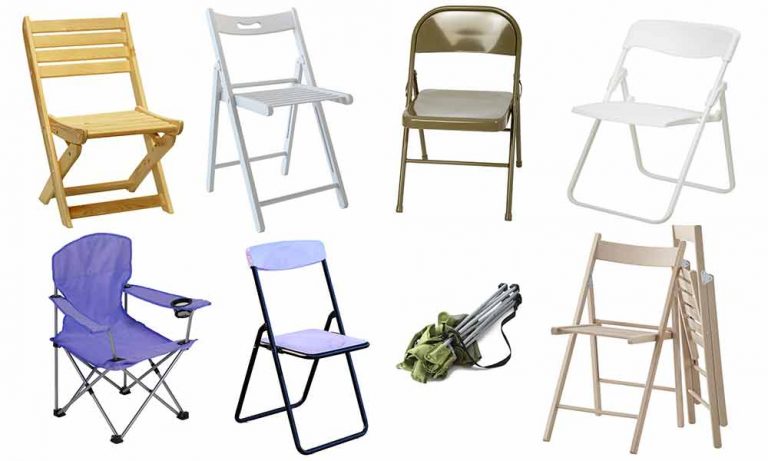
The materials guide covers how padded and mesh chairs are built on plastic or metal frames.
Seat width: the spec most buyers miss
Seat width runs from about 15.5 inches on the narrow end to 18 inches or wider on commercial and heavy-duty models.
That range matters more than most shoppers realize.
At 15.5 inches, a larger person is squeezed in from the first minute. At 17 or 18 inches, the same person can sit without the seat pressing into their thighs.
The standard for most chairs sold for events and everyday use is around 15.5 to 16 inches.
If you need more room, look at the spec sheet before buying. A chair that lists only the overall frame width may be hiding a narrower seat inside it.
Wider is always more comfortable, and a wider seat spreads weight more evenly to reduce pressure points.
Seat depth matters too. A shallow seat under 15 inches front to back leaves tall people’s thighs unsupported.
A very deep seat makes shorter people feel like they are perching on the edge.
Most standard folding chairs measure around 16 inches deep, which works for most adults.
The folding chair dimensions guide has typical seat height and depth measurements if you need exact numbers.
Back angle and lumbar support
A straight vertical back is the most common design. It is also the least comfortable for long sits.
That flat back matters most when you sit all day. It is the main catch with using a folding chair as a desk chair.
A back that reclines slightly, even 5 to 10 degrees, lets you rest your weight against it without slumping.
Most padded folding chairs have a modest recline built in. Hard plastic stacking chairs usually do not.
Lumbar support on a folding chair is minimal compared to an office chair. Still, some padded models have a slight contour in the lower back area.
That contour matters for multi-hour events far more than it sounds.
For any sit over two hours, look for a slight back recline and check whether the lower back has any curve to it.
A flat back is fine for short-use chairs in a hall that turns over every 45 minutes. It is not the right call for a dinner party or a ceremony.
Mesh: comfort through breathability
Mesh chairs trade some cushioning for airflow.
The mesh fabric is stretched across the frame, so it flexes when you sit. That flex spreads weight across a larger surface than a hard seat does.
Add the breathability, and a mesh chair on a warm day feels noticeably better than a padded vinyl one.
The tradeoff is real: mesh gives less pressure relief than thick foam for very long sits, but keeps you cooler.
For summer events outdoors, a mesh chair often wins on overall comfort.
A padded chair may still edge it out at the three-hour mark in a cool room.
Mesh chairs sit on the higher end of the price range. The types of folding chair guide compares mesh alongside padded, plastic, and wood.
Weight rating and what it does to comfort
A chair’s weight rating is a safety spec. It affects comfort too.
A chair rated for 250 pounds carrying a 220-pound person is near its limit. The frame flexes more, the seat may bow slightly, and the chair feels less stable.
A heavy-duty chair rated to 800 pounds carrying the same person has almost no flex.
It simply feels more solid underfoot.
If you are near a chair’s rated limit, move up to a higher-rated model.
Most consumer folding chairs are rated to 250 to 300 pounds. Commercial heavy-duty models go to 500 to 1,000 pounds.
The higher ratings are not just for very large users. They also mean a more rigid, better-feeling chair for anyone.
How long you sit changes everything
One question matters most before buying: how long will people actually sit in this chair?
Match the chair to the real sit duration, not the ideal one.
Short sits under 30 minutes need almost nothing. A plain plastic chair works fine, lightweight and easy to stack.
Medium sits of 30 minutes to 2 hours benefit from a padded seat or mesh. The padding cuts fatigue at the sit bones, and the back angle keeps people from slumping.
Long sits over 2 hours need the full package. Think weddings, long dinners, and ceremonies.
That means a padded seat, padded back, slight recline, and adequate width.
A padded chair for a 15-minute coffee break is overkill. A hard plastic chair for a three-hour event is a mistake.
What to look for at a glance
Run any chair through these five checks before you buy.
- Seat padding: foam under vinyl or fabric for sits over one hour; hard plastic fine for short use
- Seat width: 15.5 inches is tight for larger adults; 17 to 18 inches is comfortable for most
- Back angle: any recline is better than straight vertical for long sits
- Mesh: breathable and flexes to the body; best for warm-weather events
- Weight rating: higher rating means less flex, which means a more solid feel
The right chair for a backyard party is not always the right chair for a wedding dinner.
Start with the sit duration, then check width and padding. The comfortable option usually becomes obvious.
For specific chairs worth considering, the buyer’s guide to the best folding chairs covers the options by use case with honest trade-offs.